HOW TO PREPARE FOR AN EXPEDITION IN SVALBARD
Your Guide to Exploring the High ArcticImagine standing on the deck of a small expedition ship,...


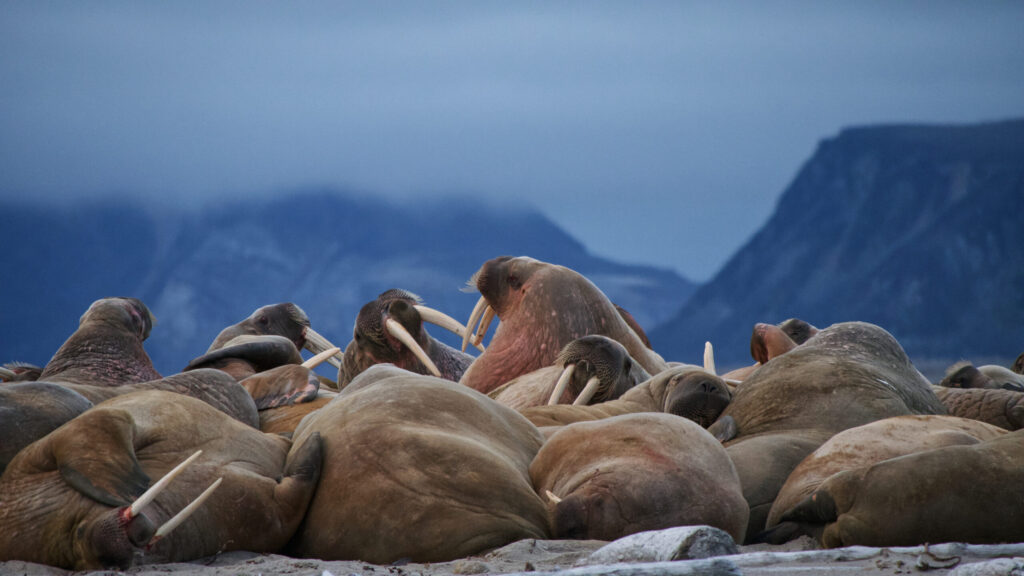
Imagine standing on the deck of a small expedition ship, surrounded by towering glaciers, drifting sea ice, and snow-covered mountains stretching as far as the eye can see. A polar bear appears on a distant ice floe. A walrus colony lounges along the shoreline. Above you, Arctic birds circle beneath the endless summer sun.
Welcome to Svalbard—one of the most remote, pristine, and fascinating destinations on Earth.
Located halfway between mainland Norway and the North Pole, Svalbard is not just another travel destination. It is a true Arctic wilderness, where nature dictates the rhythm of life and where every day brings new discoveries. Preparing for a journey here requires more than simply packing a suitcase; it means understanding the environment, respecting its fragile ecosystem, and embracing the spirit of exploration.

Svalbard is a Norwegian archipelago situated between 74° and 81° north latitude, making it one of the northernmost inhabited places in the world.
The largest settlement is Longyearbyen, a small but vibrant Arctic town that serves as the gateway to the region. From here, expedition ships venture into a world dominated by glaciers, fjords, mountains, and sea ice.
More than 60% of the archipelago is protected through national parks, nature reserves, and bird sanctuaries. Human presence is minimal, while nature remains overwhelmingly dominant.
Unlike many polar destinations, Svalbard offers relatively easy access from Europe, yet it feels completely removed from modern civilization. Within hours of arriving, visitors can find themselves navigating among icebergs, observing Arctic wildlife, and exploring landscapes that few people on Earth will ever see.
One of the most common misconceptions about Svalbard is that it is always unbearably cold.
While winters are indeed harsh and dark, most expedition cruises take place between May and September, when conditions are surprisingly accessible.
Summer temperatures typically range between 0°C and 8°C. However, weather conditions can change rapidly. A calm sunny morning can quickly become windy, foggy, or snowy.
The real challenge is not extreme cold but variability.
Wind chill can significantly lower the perceived temperature, especially during Zodiac landings and wildlife observations. Being prepared for changing conditions is therefore essential for enjoying your expedition comfortably.
Another unique aspect of summer in Svalbard is the Midnight Sun. From late April until late August, the sun never sets, creating endless daylight and allowing for wildlife viewing and exploration at virtually any hour.
Despite its seemingly barren appearance, Svalbard hosts one of the most remarkable ecosystems in the Arctic.
The surrounding waters are enriched by the meeting of warm Atlantic currents and cold polar waters, creating a productive marine environment that supports an extraordinary abundance of wildlife.
Visitors may encounter:
Life in the Arctic depends on delicate ecological balances. Every species is interconnected, and even small environmental changes can have significant consequences.
For this reason, responsible tourism plays a crucial role in protecting Svalbard’s natural heritage. Visitors are expected to follow strict environmental guidelines designed to minimize human impact on wildlife and landscapes.

The key to comfort in the Arctic is not heavy clothing but smart layering.
Even under cloudy skies, Arctic UV radiation can be surprisingly intense because sunlight reflects off snow, ice, and water.
Many first-time visitors focus entirely on staying warm, but there are several other essentials worth bringing.
Being prepared ensures you can fully enjoy every day of the voyage.
Every expedition is different because Arctic travel is guided by nature rather than fixed schedules. This flexibility is one of the greatest attractions of expedition cruising.
Activities may include:
Many travelers assume all Arctic cruises are similar. In reality, ship size can dramatically influence the quality of the experience. Small expedition vessels have several advantages.
First, they can access narrow fjords and remote areas that larger ships often cannot reach.
Second, fewer passengers mean faster Zodiac operations and more time spent exploring rather than waiting.
Third, wildlife encounters become more intimate and personal. Instead of sharing a viewpoint with hundreds of travelers, guests can enjoy a quieter and more immersive experience.
Most importantly, small groups foster meaningful interactions with expedition guides, naturalists, photographers, and fellow travelers who share a passion for exploration.


At FRAMTours, Arctic travel is about much more than simply reaching a destination.
The goal is to create genuine expedition experiences that connect travelers with the landscapes, wildlife, and stories of the High Arctic. By focusing on carefully selected small-ship expeditions, guests benefit from greater flexibility, deeper exploration opportunities, and a more personal atmosphere onboard.
Expert guides help interpret the Arctic environment, providing insights into wildlife behavior, glaciology, climate science, and local history. Every landing, Zodiac cruise, and wildlife encounter becomes an opportunity to learn and engage with one of the world’s most extraordinary regions.
Most importantly, small-group expedition travel aligns with the principles of responsible Arctic tourism, ensuring that future generations can continue to experience the beauty and wilderness of Svalbard.
A journey to Svalbard is not simply a holiday. It is an expedition into one of the planet’s last great wildernesses. It is a chance to witness immense glaciers, encounter iconic Arctic wildlife, and experience landscapes that remain largely untouched by human development.
Preparation is part of the adventure. By understanding the environment, packing appropriately, and choosing the right expedition experience, you can fully immerse yourself in the magic of the High Arctic.
For travelers seeking authenticity, discovery, and a deeper connection with nature, few destinations compare to Svalbard and few ways of exploring it compare to a small expedition cruise.

